Global Community: Don’t look away
I don’t know about you, but last year and especially the first quarter of this year have felt deeply emotionally taxing.
Trying to balance my mental and physical health, dog parenting, my work responsibilities, maintain friendships and relationships, invest in local community, and pay attention to the despicable chess game of our global billionaires feels like a bit too much.
If you are feeling like it’s hard to do a skincare or workout routine for the promise of a delayed benefit when each day feels particularly overwhelming, you are not alone.
Unfortunately, it’s clear that overwhelm can be a tactic to get us to disengage.
It is convenient if we check-out from the people and emergencies of lands we don’t know and people who don’t look like us.
Our definition of community at ROOTS requires that we don’t.
Last week, the World Health Professions Alliance published a press release (click here for Spanish) warning of the explicit violence, intimidation, and persecution of health professionals especially in Syria, Sudan, Iran, Ukraine, and Gaza simply for providing ethical and impartial patient care.
“When those who provide care are persecuted for doing their jobs, we undermine the very foundations of healthcare systems and deny entire populations access to lifesaving services.”
To our colleagues in these areas of the world, we are eternally grateful for your bravery and sacrifice and dearly hope our shared institutions take their role in supporting you seriously.
Showing up in person is not an option for everyone but there are some things we can do.
The first is not looking away.
The second is speaking up.
And the third is directly supporting.
Each month, we will be selecting a charity to donate 5% of our profits to in addition to our personal support of these intiatives. Each newsletter will include a small blurb on who the charity or organization is and why we chose them.
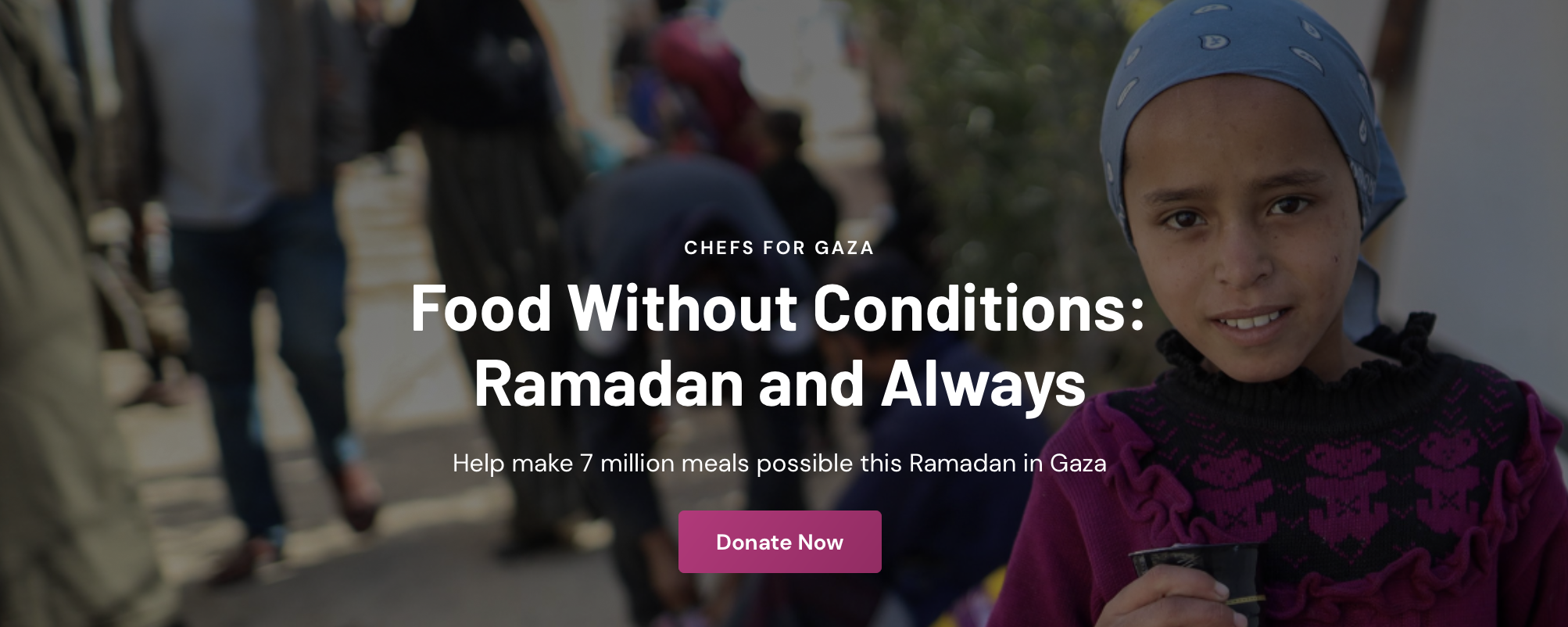
For those who don’t know, this year Ramadan runs from February 17 to March 19. While not all Arabs are Muslim, many are. Observing Ramadan, if you are physically able, involves fasting from sun up to sun down which is especially challenging in food scarce environments.
March 2026: World Central Kitchen (https://wck.org/ramadan-2026/)
An organization who has demonstrated the ability to operate at scale delivering more than 1 MILLION hot meals daily in Gaza and halal food kits to support families observing Ramadan.
“Ramadan reminds us that feeding people is not optional or conditional. It is a shared responsibility. World Central Kitchen does not ask who you are, where you stand, or what you believe before serving a meal. We cook. We deliver. We return the next day and do it again.”
If financial support is not accessible to you, your attention is an invaluable resource. Personally, I’m incredibly easily overwhelmed by social media as a medium for news.
Here are a few resources I’ve been subscribing to in order to stay informed:
Committee to Protect Journalists www.cpj.org
General resource specifically aimed at documenting, tracking, and resisting crimes against free journalists and journalism globally.The New Humanitarian: www.thenewhumanitarian.org
An independent, non-profit news source emphasizing local coverage of global humanitarian crises.Al Jazeera: www.aljazeera.com
Of the first independent new channels from the Arab world that has grown into a global media resource characterized by featuring multiple perspectives of varied topics and conflicts.El Hilo: https://elhilo.audio
Friday podcast show covering all of latin america and the latino community in the US featuring local journalists across the region.Letters from an American: https://heathercoxrichardson.substack.com
An almost daily substack from a ‘professor of American history’ connecting today’s events to the history of the United States.
Outside of these means of support, we must not forget that people in conflict zones are more than just refugees and victims. They are also artists, professionals, dreamers, and our neighbors.
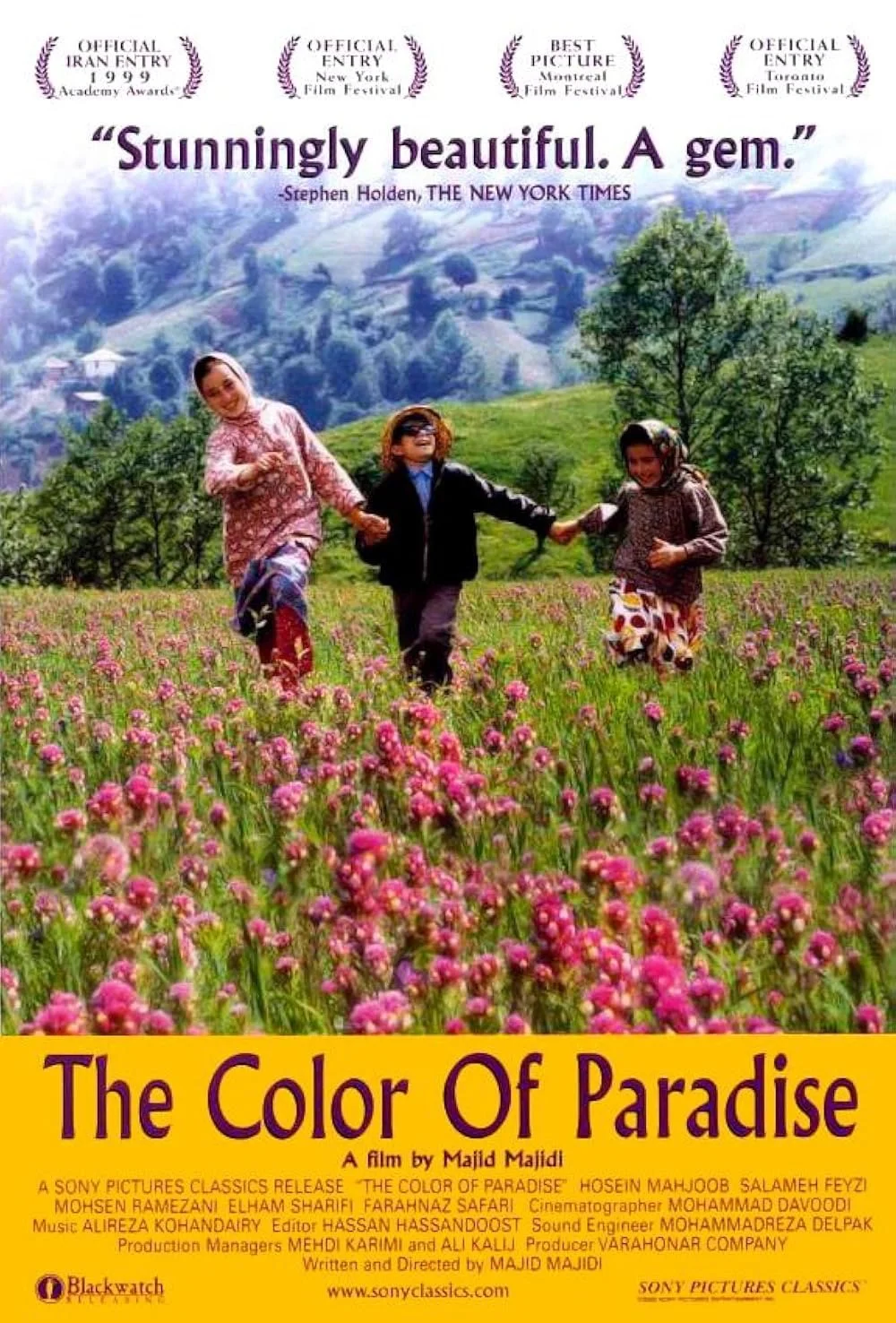
So to accompany this month’s organization highlight, consider this film:
The Color of Paradise (Iran, 1999, Majid Majidi)
A blind boy experiences the world through touch, sound, and nature in the lush forests of northern Iran. It won the Grand Prix at the Montreal World Film Festival and is frequently cited as one of the most beautiful films of the past 30 years. It’s much less about plot than about the sensory richness of the Iranian countryside and the depth of family love.